
Your healthcare providers will disclose medical information about you when required to do so by federal, state or local law. Under certain circumstances, your healthcare providers may use and disclose medical information about you for research purposes. For example, a research project may involve comparing the health and recovery of all patients who received one medication to those who received another for the same condition. Your healthcare providers may use and disclose medical information to tell you about health-related benefits or services that may be of interest to you. Your healthcare providers may use and disclose medical information to tell you about or recommend possible treatment options or alternatives that may be of interest to you. An individual may begin to use addictive substances in new situations or scenarios.
Stage 5: Relapse

The more risk factors someone has, the more likely drug use will result in addiction. Over the years, a person who occasionally drinks or uses drugs casually may develop a habit that can become an addiction. Once a person becomes intent on finding drugs, the prefrontal cortex activates the brain’s ‘go system.’ This triggers a person to have a strong urge to seek out drugs. The addictive potential of some substances may be so strong that what seems to be an instant addiction may develop. Without the right therapies, support, and treatment plan, it can feel impossible to overcome them. While you can break the cycle at this point by getting the right help, there is another stage that can send you right back to square one.
Baclofen Withdrawal Exposed: The Hidden Struggles and Secrets to Recovery

In the hands of addiction professionals, these visual tools become powerful allies in the battle against substance abuse. Therapists and counselors often use these images as conversation starters, helping patients visualize their journey and identify potential Substance abuse triggers or weak points in their recovery process. Building a strong support system is crucial for individuals seeking help and healing.
- Social factors, such as peer influence, family dynamics, and socioeconomic status, also play a role in addiction.
- They may think about the friends who were part of their drug addiction and long for the opportunity to drink or use drugs.
- The treatment community does not fully understand dually diagnosed conditions.
Can you start addiction treatment at any stage of the addiction cycle?
These changes explain the intense cravings and impaired ability to resist the drug, features that are central to addiction (Volkow et al., 2016). Once addiction develops, the individual’s ability to voluntarily cease drug use becomes severely compromised, reflecting the powerful nature of these brain adaptations. Major shifts in mood, behavior, or psychological well-being may indicate drug abuse. This could manifest as increased anxiety, depression, or irritability. While experimentation might not significantly impact mental health, abuse often does, affecting not only the individual but also their relationships with others.
How long does it take to break the addiction cycle?
They may deny the existence of a problem or feel ambivalent about change. Understanding the triggers that lead to relapse can be crucial for developing choose the correct cycle of addiction. effective prevention strategies and support systems. Cravings can become overwhelming, leading to behaviors that prioritize substance use above everything else. This stage can have dire consequences for health, relationships, and overall well-being. It can lead to increased risk, as individuals may turn to more potent substances to satisfy their altered needs and cravings.
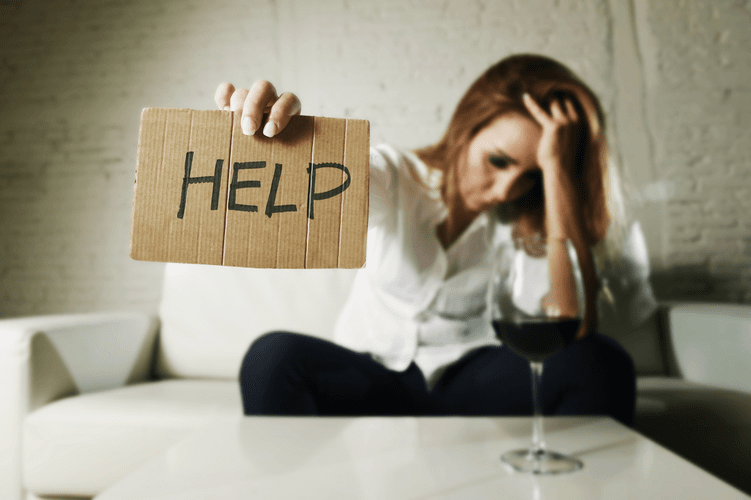
Stage Two: Regular or Prolonged Use
- It’s a phase where the individual stops using the substance, leading to withdrawal symptoms as the body readjusts to functioning without it.
- The cycle of addiction is often deeply ingrained in the person’s life, but recovery is possible with medically-assisted detox, therapy, and aftercare programs.
- As experimentation turns into regular use, individuals may start to incorporate substances into their routines.
- The National Institute on Drug Abuse explains that dependence does not necessarily constitute addiction.
- A stressful or chaotic lifestyle and low self-esteem are also common.
The journey towards recovery, whether from addiction, trauma, or other personal challenges, is one of the most https://themindsbehind.com/does-alcohol-raise-blood-pressure-4/ profound endeavors an individual can embark upon. It’s a path filled with both challenges and triumphs, moments of self-doubt, and monumental breakthroughs. Each step taken towards recovery signifies resilience, courage, and an unwavering belief in the possibility of a brighter future.